


 / Featured Columns
Open the refrigerator and you may find some vegetables from last night, a few slices of cooked meat, or hot pot ingredients that never made it into the pot. Reheating everything exactly as it is can feel repetitive, but throwing it out feels wasteful too.
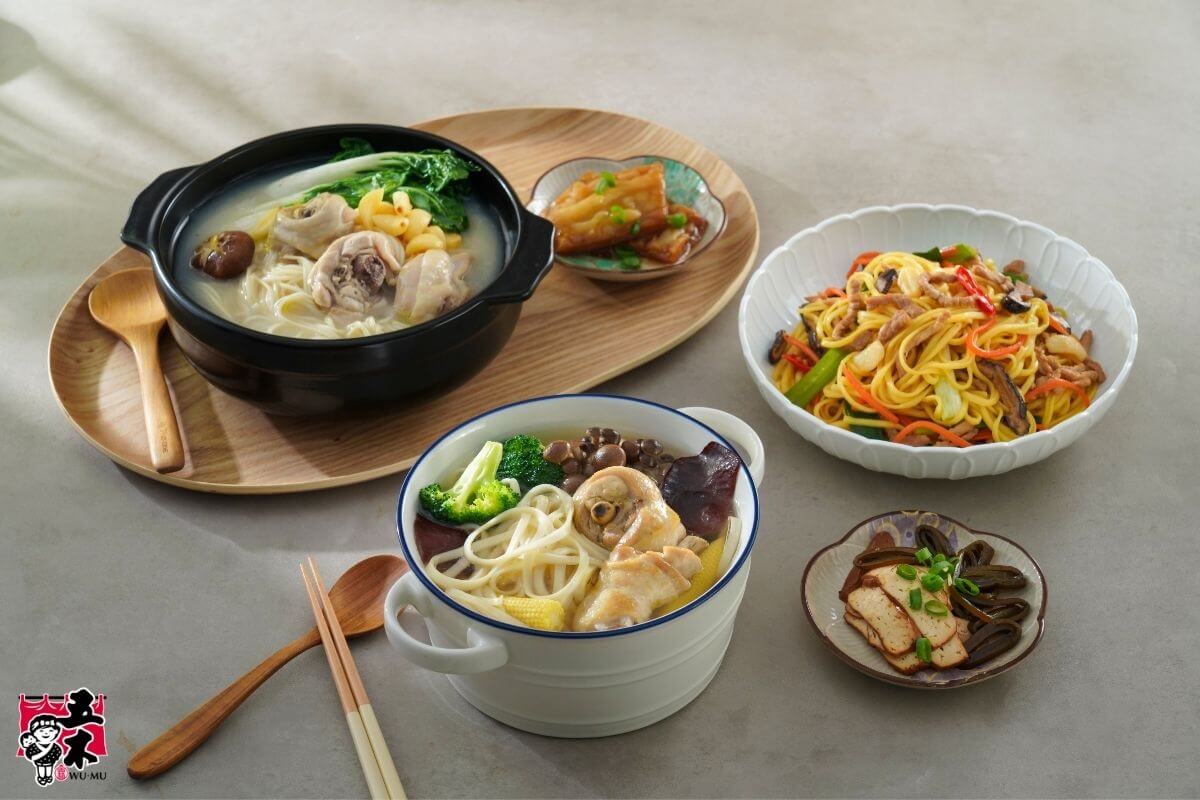
The good news is that leftovers don't have to return to the table in the same form. With a different cooking method, the right noodles, and fresh seasoning, those odds and ends can become a fragrant stir-fry, a comforting noodle soup, or a rich, sauce-coated noodle dish.
The best leftover recipes aren't complicated. They're flexible. Match each dish to the right noodle shape and texture, and you can clean out the fridge, reduce food waste, and put a satisfying meal on the table.
You do not need a detailed recipe to clean out the fridge. Start with what you already have, then choose the cooking method that suits those ingredients best:
Leftover ingredients + the right noodles + fresh seasoning = a completely new meal
Whether stir-fried, simmered, or tossed, the thickness, shape, and texture of the noodles will affect the finished dish. Choosing the right noodles can bring new flavors to familiar ingredients.
Before using cooked leftovers, make sure they have been properly refrigerated and reheat them thoroughly. Discard anything with an unusual odor, color, or appearance.
Extra cabbage, carrots, mushrooms, and cooked meat are perfect for a quick noodle stir-fry. High heat and fresh aromatics give yesterday's ingredients new life.
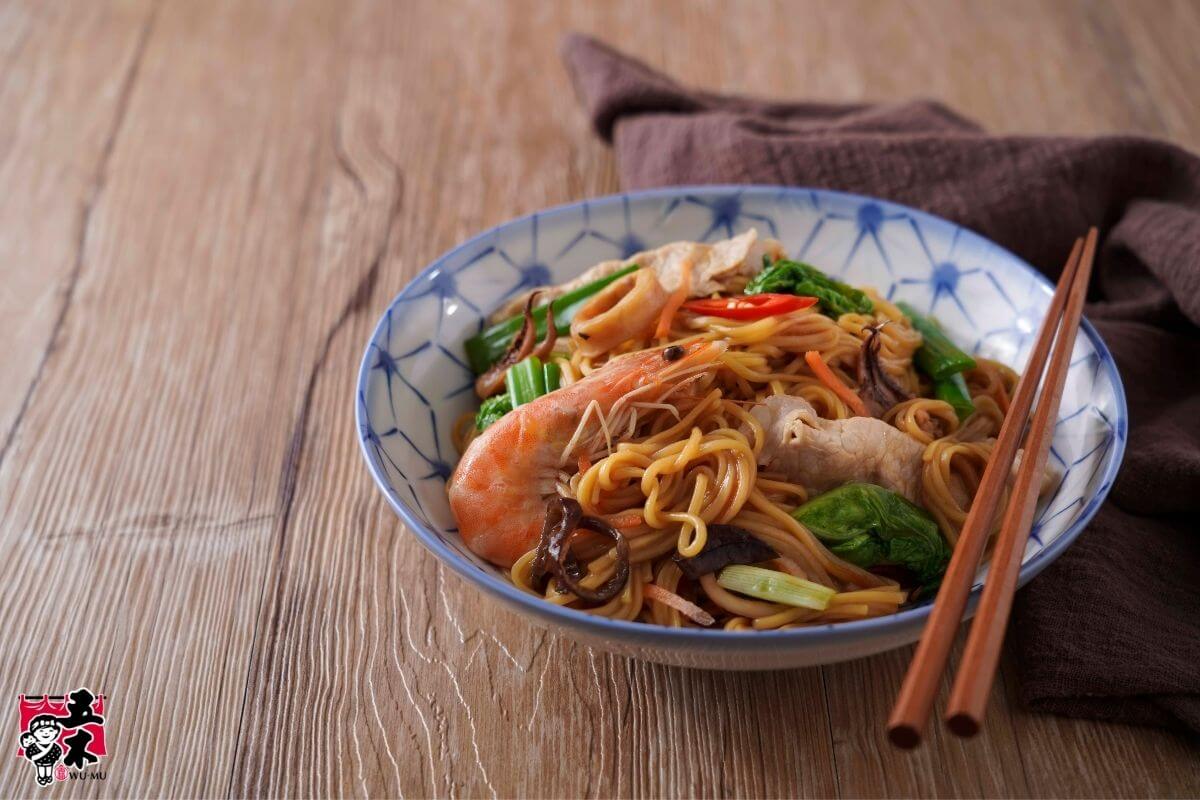
Cut everything into bite-size pieces. Heat a little oil in a hot skillet or wok, then add firmer vegetables like carrots first. Follow with mushrooms, cabbage, and the leftover meat, which only needs to heat through.
Add Yellow Noodles, followed by a modest splash of soy sauce and a pinch of white or black pepper. Toss everything quickly so the seasoning coats the ingredients evenly without letting liquid pool in the pan. Leftover vegetables tend to release water as they heat, and too much sauce can leave the noodles soft instead of pleasantly springy.
Finish with chopped scallions, minced garlic, or fresh chili. A few half-used containers have now become a satisfying plate of noodles with vegetables, protein, and plenty of texture.
Hot pot nights often leave behind tofu, mushrooms, leafy greens, fish cakes, meatballs, seafood, or sliced meat. Instead of setting up another hot pot, turn the extras into a comforting noodle soup.
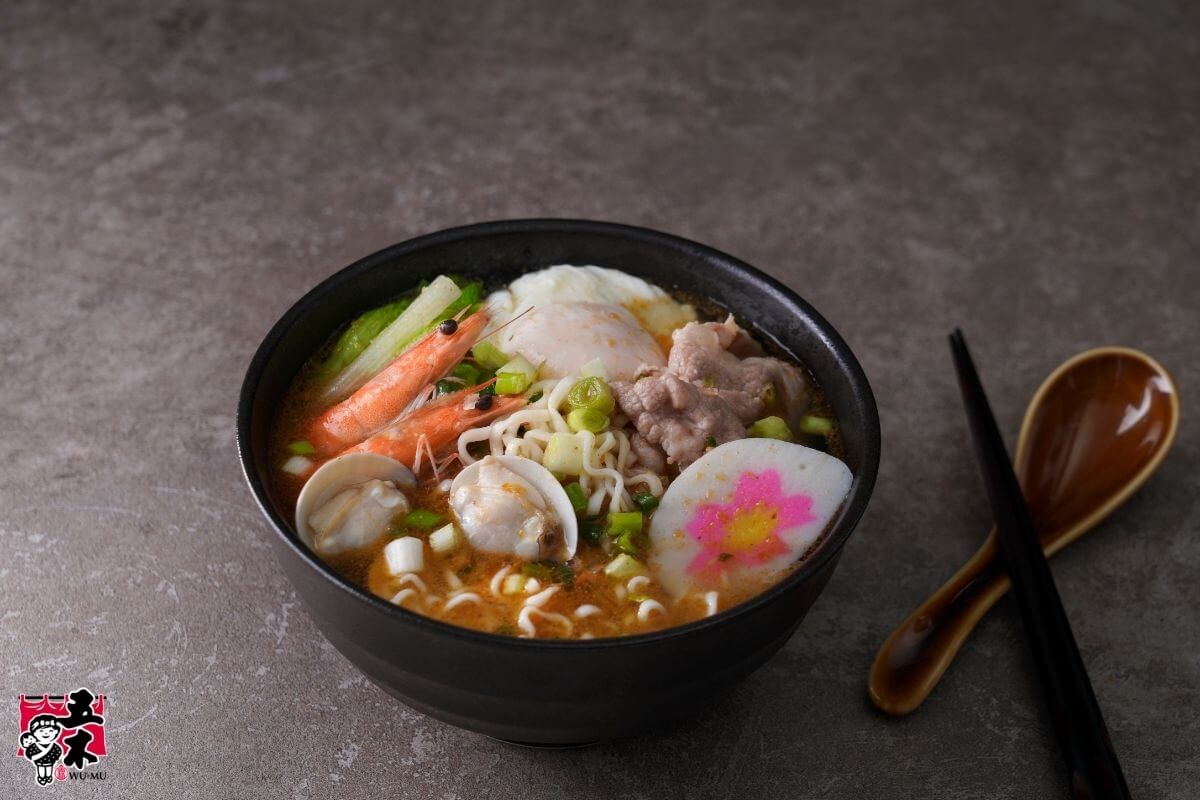
Bring broth or water to a boil, then add the ingredients according to their cooking times, starting with those that take the longest.
Next, add Ramen Noodles. The slightly curly noodle strands cling firmly to the broth, while holding their texture well alongside a generous mix of toppings. Season gradually with soy sauce, salt, or your favorite soup seasoning, keeping in mind that leftover broth and hot pot ingredients may already be salty.
If the broth tastes too rich, add leafy greens and scallions. If it's a little flat, white pepper, sesame oil, or more soy sauce can add depth. These small adjustments turn hot pot leftovers into a complete meal the next day.
Taiwanese minced pork sauce, braising liquid, sesame sauce, or meat gravy can become the base of an easy noodle bowl—especially when there isn't enough sauce for another serving of the original dish.
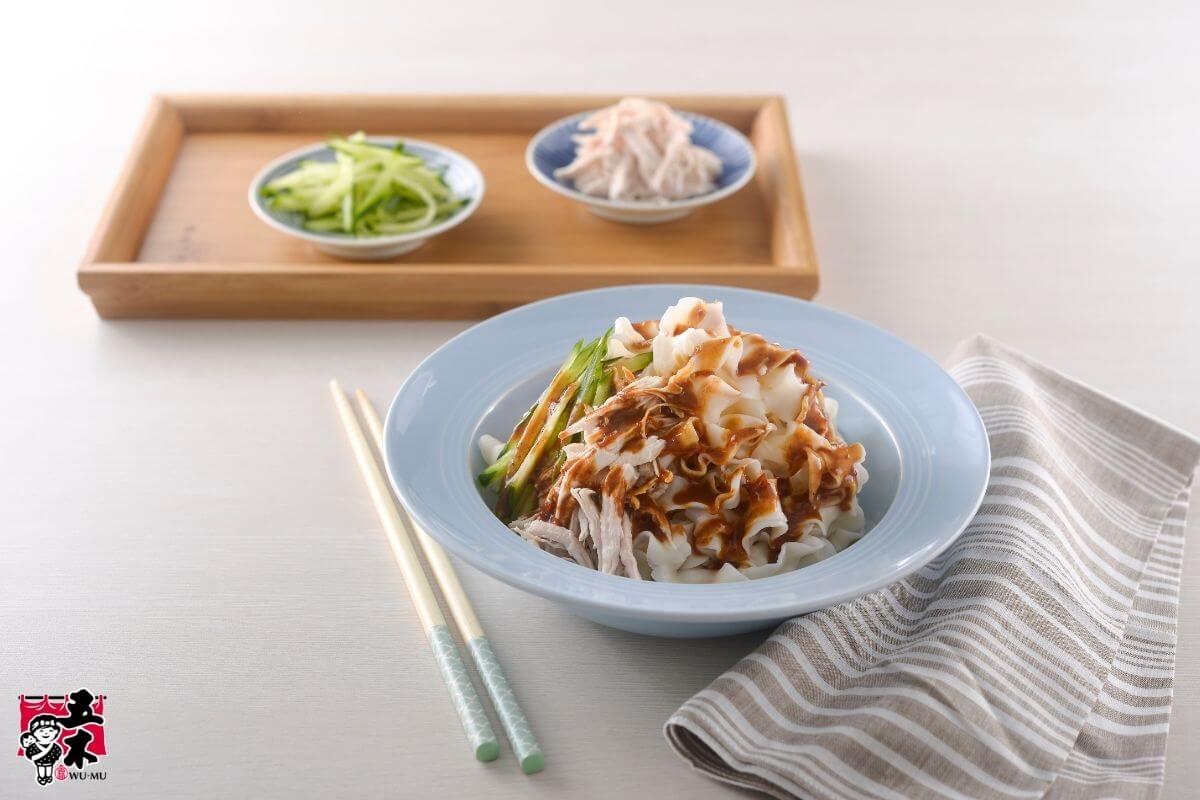
Cook and drain the Hand-Pulled Quality Noodles, reserving a little cooking water. Toss the noodles with your leftover sauce, then add shredded cucumber, scallions, an egg, or any other compatible ingredients from the fridge.
The wide noodle shape gives the dish a satisfying bite and provides plenty of surface area for thick sauce to cling to. If the sauce is too concentrated, stir in the reserved noodle water a spoonful at a time until it coats the noodles evenly. If it's already thin, skip the extra water.
Finish with crushed peanuts, toasted sesame seeds, or strips of nori. Cucumber or lightly blanched greens balance a rich sauce, while chili oil adds heat. One good sauce and a few toppings can make last night's dinner feel entirely new.
The appeal of clean-out-the-fridge cooking is that there's no fixed recipe. The same ingredients can become different meals depending on whether they're stir-fried, simmered in broth, or tossed with noodles—which is why the right noodle matters.
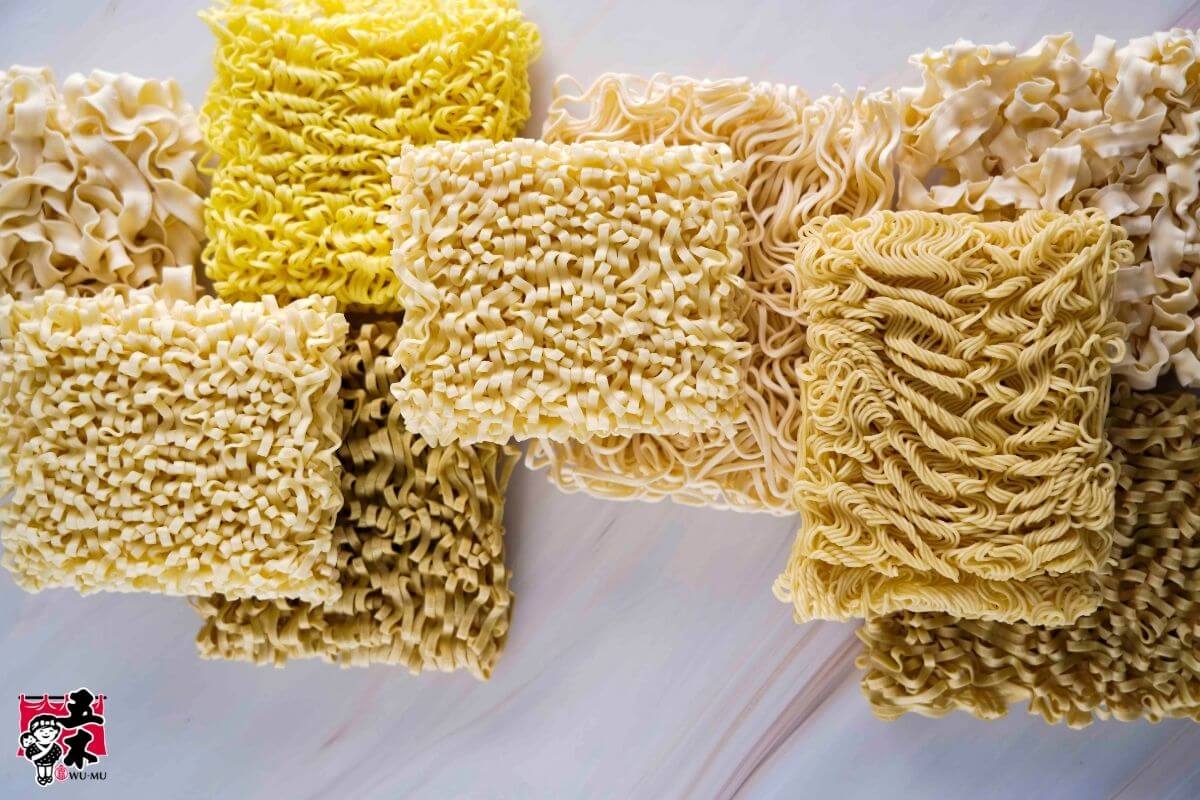
Yellow noodles are well suited to quick, everyday stir-fries. Ramen Noodles pair naturally with hot soup and a wide range of toppings. Thick, wide noodles offer more surface area and a fuller bite, making them a strong match for rich sauces and hearty mix-ins. Matching the noodle to the cooking method helps preserve texture while allowing the seasoning and other ingredients to come together properly.
These differences come down to ingredient ratios and production methods. SING-LIN FOODS uses controlled dough resting, multiple rolling stages, and carefully managed temperature and humidity. Each step builds the structure a particular application needs while keeping texture and quality consistent.
Backed by decades of noodle-making experience and versatile production capabilities, SING-LIN FOODS offers a wide range of noodle products and integrated OEM and private-label manufacturing services. Noodle thickness, shape, and texture can be customized to suit each brand’s positioning, target market, and intended application, creating more possibilities for new products and flavors.
How to Choose the Right Noodles for Different Dishes
SING-LIN FOODS production lines have passed FSSC 22000 food safety management system certification by SGS, a trusted international third-party certification body. FSSC 22000 combines ISO 22000 and HACCP to provide enhanced risk control and quality management that ensures the highest safety standards are maintaining throughout the production process.
We also undergo regular food safety audits from large enterprises including Costco and Carrefour to demonstrate our commitment to quality and safety. We are continuing to optimize our production processes as well to become a trusted OEM partner.


© Copyright SING-LIN FOODS CORP. All Rights Reserved.
© Copyright SING-LIN FOODS CORP.
All Rights Reserved.


